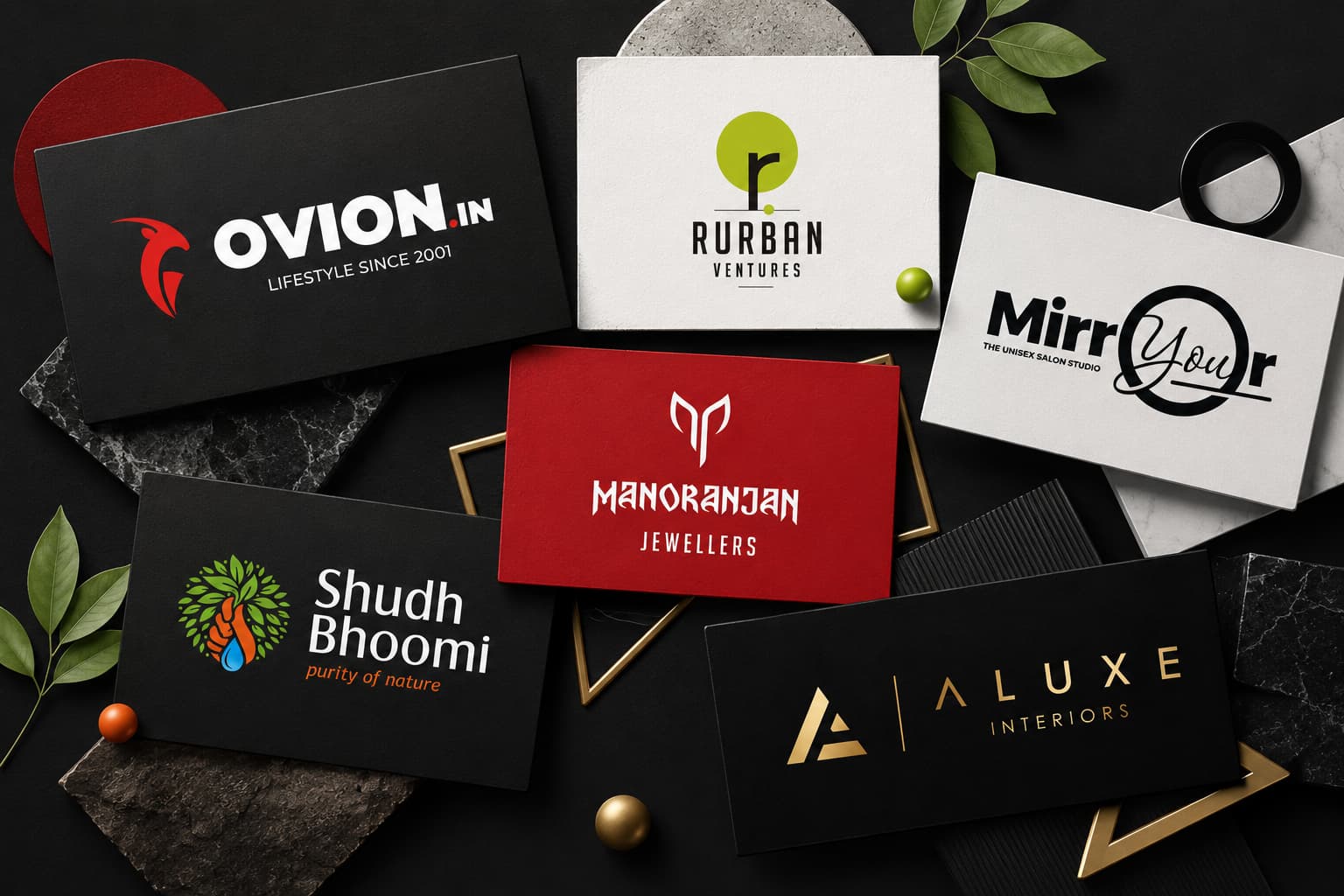
Global branding success requires strategic foundation (mission, vision, values), culturally-intelligent visual identity, authentic community engagement, and continuous evolution. 76% of consumers prefer brands they feel connected to, making emotional resonance crucial for international expansion and customer loyalty in competitive markets.
🔗 Get Started Today | 📞 Contact Us | 💡 Explore Our Portfolio
Introduction: The Power of Branding in 2025

Quick Answer
Strong brand identity serves as the emotional bridge between startups and global customers. With 100,000+ new businesses launching daily worldwide, memorable brand identity determines market survival and international success through differentiation and authentic connection.
Why Strong Brand Identity Matters
In today’s hyperconnected global marketplace, your brand isn’t just a logo—it’s the emotional bridge between your startup and customers across continents. With over 100,000 new businesses launching daily worldwide, memorable brand identity determines market survival and international success.
The data reveals compelling truths:
- 76% of consumers prefer buying from brands they feel connected to over competitors
- Companies with consistent brand presentation experience 23% average revenue increase
- 74% of S&P 100 companies undergo rebranding within seven years to maintain competitive relevance
For startups and scaling businesses, branding represents the foundation determining whether you’ll capture market share or join the 90% that fail. In 2025’s crowded digital landscape, where customers encounter 5,000+ daily brand messages, strategic identity design and authentic storytelling separate thriving global brands from forgotten ventures.
This comprehensive guide reveals strategic frameworks, creative processes, and proven methodologies transforming startups into globally recognized brands across international markets and cultural boundaries.
Defining Brand Identity: The Foundation of Global Success
Quick Answer
Brand identity combines strategic foundation (mission, vision, values), visual systems (logo, colors, typography), and communication style (voice, messaging) to create consistent customer recognition and emotional connection across all touchpoints and markets.
Strategic Foundation Elements
Mission Statement Development
Your mission answers “Why does your startup exist?” beyond profit generation. Research shows 83% of millennials consider brand values when purchasing, making clear purpose essential for customer loyalty.
Effective Mission Examples:
- Patagonia: “Build the best product, cause no unnecessary harm, use business to inspire environmental solutions”
- Results: 40% higher emotional connection scores compared to profit-focused competitors
Vision Statement Creation
Vision articulates future impact when your mission succeeds. Airbnb’s “belonging anywhere” vision guided expansion from booking platform to global community marketplace, enabling entry into 220+ countries with culturally relevant messaging and achieving $75 billion valuation through community-centric positioning.
Core Values Integration
Values define operational principles influencing behavior, decisions, and culture. Authentic values lived daily (not just website decoration) influence hiring patterns, partnership selection, and customer interaction standards across international markets.
Visual Identity Psychology

Color Psychology in Global Markets
Color choices significantly impact brand perception, but meanings vary culturally. Strategic color selection requires international market research and cultural sensitivity.
Global Color Considerations:
- Red: Prosperity/luck in China, danger/urgency in Western markets
- Blue: Trust/reliability globally, coldness in East Asian cultures
- Green: Growth/nature universally, inexperience in financial services
- Purple: Luxury/royalty Western markets, death associations in Latin America
Typography Cultural Impact
Font selections affect personality perception and accessibility across languages:
- Sans-serif fonts: Modern, approachable, tech-forward (ideal for startups)
- Serif fonts: Traditional, trustworthy, established (preferred for financial services)
- Cultural readability: Ensure effectiveness across different languages and reading directions
Logo Design Psychology
Successful global logos incorporate psychological triggers and cultural neutrality:
- Geometric shapes: Stability (squares), innovation (triangles), unity (circles)
- Symmetry: Creates balance and trustworthiness perception
- Simplicity: Enhances recognition across cultures and applications
- Scalability: Functions from business cards to billboards
Quick Answer
Consider rebranding when current brand identity no longer supports business growth, market positioning goals, or customer expectations. Key indicators include business evolution (mergers, pivots, market expansion), performance decline (recognition, engagement, conversion), and competitive differentiation challenges.
Business Evolution Triggers
Strategic Change Indicators
Modern startups evolve rapidly, requiring brand identity alignment with business reality:
Merger and Acquisition Integration:
- 67% of merger failures stem from cultural misalignment, making strategic rebranding essential for unified market presence
Business Model Pivots:
- Slack’s transformation from gaming platform to business communication tool exemplifies successful pivot rebranding, achieving 12 million daily active users through strategic repositioning
International Market Expansion:
- Startups with localized branding see 45% higher adoption rates in new geographic markets compared to direct translation approaches
Performance Warning Signs
Visual Identity Red Flags:
- Logo design outdated compared to industry standards and competitor innovation
- Color palette lacks digital optimization for modern web/mobile applications
- Typography doesn’t scale effectively across devices and international markets
- Photography style appears dated or inconsistent with current brand personality
Market Disconnection Symptoms:
- Declining organic search visibility despite continued SEO investment
- Reduced social media engagement rates and content sharing
- Decreased email open rates and marketing campaign performance
- Customer feedback indicating brand confusion or outdated perception
Strategic Assessment Questions:
- Does current brand accurately reflect company capabilities and focus?
- Does visual identity support business goals for next 3-5 years?
- Does brand positioning enable premium pricing and market expansion?
- Can internal stakeholders confidently represent brand externally?
Steps to Building (or Rebuilding) an Outstanding Brand
Quick Answer
Successful branding follows systematic approach: comprehensive audit (existing performance), deep discovery (audience/competitor research), strategic foundation (story/positioning), visual transformation (logo/guidelines), and voice development (communication consistency) across 3-6 month timeline for optimal results.
Phase 1: Comprehensive Brand Audit
Current Performance Assessment
Effective rebranding begins with honest evaluation of brand performance across touchpoints and markets, revealing strengths to preserve and weaknesses requiring attention.
Digital Asset Evaluation Checklist:
- Website Performance: User experience, conversion rates, mobile optimization, page speed analysis
- Social Media Metrics: Engagement rates, follower growth, content performance, brand consistency measurement
- Email Marketing: Open rates, click-through rates, unsubscribe trends, design effectiveness assessment
- Digital Advertising: Click-through rates, conversion costs, creative performance, message resonance tracking
Performance Baseline Establishment:
- Brand Awareness: Unaided recall percentages, search volume trends, social mention frequency
- Customer Perception: Sentiment analysis scores, brand attribute associations, trust indicator metrics
- Business Impact: Conversion rate baselines, customer acquisition costs, retention percentage measurements
- Competitive Position: Market share data, pricing power assessment, differentiation clarity evaluation
Phase 2: Deep-Dive Discovery Process
Audience Research Methodology
Understanding target customers, market dynamics, and competitive landscape through quantitative data analysis and qualitative insight gathering.
Customer Research Framework:
- Quantitative Analysis: Market sizing, demographic profiling, purchase behavior patterns, technology usage statistics
- Qualitative Insights: Customer interviews revealing motivations, frustrations, aspirations, communication preferences
- Journey Mapping: Touchpoint analysis, pain point identification, opportunity discovery across customer lifecycle
- Cultural Considerations: International market preferences, communication styles, value priorities assessment
Competitive Intelligence Gathering:
- Visual Identity Comparison: Logo trends, color usage, typography choices, photography style analysis
- Messaging Strategy Review: Value propositions, brand voice, content themes, customer communication evaluation
- Digital Presence Assessment: Website design, SEO strategy, social media approach, advertising creative benchmarking
- Market Positioning Analysis: Target audience focus, pricing strategy, service offerings, geographic presence mapping
Phase 3: Strategic Foundation Development
Brand Story Architecture Creation
Compelling brand narrative combining origin story, mission evolution, customer impact, and future vision that resonates emotionally while communicating functional benefits across cultures.
Value Proposition Framework:
- Functional Benefits: Specific problems solved, measurable outcomes delivered, competitive advantages demonstrated
- Emotional Benefits: Customer feelings when using product/service, identity enhancement, aspiration fulfillment
- Cultural Adaptation: Core value translation across markets maintaining authenticity and local relevance
- Proof Points: Specific evidence, statistics, customer examples validating claims and building credibility
Message Architecture Development:
- Primary Message: Core value proposition (10-15 words) working globally across markets
- Supporting Messages: 3-5 key elaboration points with cultural sensitivity considerations
- Call-to-Action Framework: Clear next steps for customers at different journey stages
- Voice Guidelines: Consistent personality traits adapting to different contexts and platforms
Phase 4: Visual Identity System Creation
Logo Design for Global Recognition
Professional logo must function across cultures, applications, contexts while remaining memorable and distinctive in international markets.
Global Logo Design Principles:
- Cultural Neutrality: Avoid symbols, colors, shapes with negative cultural associations
- Scalability Requirements: Clear recognition from 16px digital to billboard applications
- Versatility Needs: Horizontal, vertical, icon versions for different usage contexts
- Color Adaptability: Full color, single color, black/white application effectiveness
Strategic Color Palette Development
Colors influence perception requiring brand personality alignment while considering global cultural meanings and accessibility requirements.
Typography System Framework
- Primary Typeface: Headlines, logos, primary brand communications
- Secondary Typeface: Body text, longer content, detailed information display
- International Considerations: Multi-language support, character set coverage, cultural readability optimization
Aligning Brand Identity with Purpose: The New Competitive Advantage
Quick Answer
Purpose-driven brands achieve 4-6x higher purchase likelihood, command 15-20% price premiums, and attract higher-quality talent with 40% reduced turnover. Modern consumers expect brands standing for values beyond profit.
Business Case for Purpose Integration
Consumer Expectation Evolution
83% of consumers consider brand values when purchasing, and 75% pay more for sustainable products. Purpose provides sustainable competitive differentiation that functional benefits cannot replicate.
Investor and Talent Attraction
Purpose-driven startups receive favorable investment terms from ESG-focused funds controlling $30+ trillion global assets, while attracting top talent through meaningful work opportunities.
Real-World Purpose Integration Examples
Patagonia Environmental Leadership
“Don’t Buy This Jacket” campaign generated $10 million additional sales by demonstrating authentic environmental commitment over profit maximization.
Implementation Elements:
- Operational Alignment: Sustainable materials, ethical manufacturing, repair services integration
- Marketing Integration: Environmental storytelling, activist partnerships, policy advocacy communication
- Customer Community: Outdoor adventure community building, environmental education provision
- Long-term Commitment: Consistent values-driven decisions over decades, not temporary marketing campaigns
Ben & Jerry’s Social Justice Advocacy
Consistent social justice positioning generates 15% price premium tolerance and 25% higher customer retention through authentic values alignment and community engagement.
Authenticity Implementation Framework
Values Alignment Assessment:
- Founder Passion: Purpose connection to personal values and motivation
- Business Model Integration: Purpose incorporation into core operations, not just marketing
- Long-term Investment: Multi-year commitment to purpose initiatives and community impact
- Cultural Consistency: Purpose influence on hiring, partnerships, strategic decisions
Purpose-Washing Avoidance
75% of consumers identify inauthentic purpose claims within 30 seconds, requiring genuine operational commitment and transparent communication about challenges and progress.
Quick Answer
User-generated content receives 85% higher engagement than brand-created content while costing 50% less to produce. Community-driven brands achieve 40% higher customer retention and 25% increased lifetime value through authentic relationship building.
Emotional Connection Through Storytelling
Neuroscience of Brand Stories
Human brains process stories with 5x higher neural activity compared to factual information, triggering emotional responses influencing purchasing decisions and creating lasting brand loyalty across cultural boundaries.
Universal Storytelling Framework:
- Origin Challenge: Problem or opportunity inspiring startup creation
- Journey Obstacles: Real challenges overcome during business development
- Transformation: Positive change created for customers and communities
- Ongoing Mission: Future vision and continued commitment to customer success
Multi-Platform Story Integration:
- Website About Page: Comprehensive origin story with founder background and evolution
- Social Media: Behind-scenes content, employee stories, customer success highlights
- Content Marketing: Blog posts, videos, podcasts reinforcing narrative themes
- Customer Communication: Email newsletters, product updates continuing story development
User-Generated Content Strategy
Community Content Campaigns:
- Photo Contests: Customer product usage sharing with branded hashtags
- Story Features: Customer success stories, transformations, creative applications showcase
- Review Integration: Positive feedback transformation into marketing assets
- Co-Creation: Customer involvement in product development, features, design input
Community Platform Development:
- Social Media Groups: Private Facebook groups, LinkedIn communities, Discord servers
- Customer Forums: Peer support spaces, feature discussions, knowledge sharing
- Ambassador Programs: Most engaged member recognition with exclusive benefits
- Events and Meetups: Virtual and in-person community bond strengthening
Global Community Management:
- Time Zone Coverage: Consistent engagement across international time zones
- Cultural Sensitivity: Local customs, holidays, communication preference respect
- Language Support: Multilingual support or regional community moderator provision
- Local Partnerships: Regional influencer and community leader collaboration
For community-building support, explore Jootoor’s digital marketing services.
Managing a Smooth Rebranding Rollout
Quick Answer
Successful rebranding requires systematic internal alignment (employee engagement, stakeholder communication), external messaging (customer education, partner coordination), and phased implementation (digital first, marketing materials, physical assets) over 4-8 month timeline for optimal market acceptance.
Internal Stakeholder Alignment
Employee Engagement Framework
73% of successful rebrands achieve high internal engagement, making employee buy-in crucial for external success and credible brand representation.
Leadership Coalition Development:
- Strategic Rationale Agreement: All executives understand and articulate business reasons
- Timeline Coordination: Leadership commitment to realistic schedules and resource allocation
- Message Consistency: Unified talking points for different stakeholder groups
- Change Champion Identification: Executive sponsors actively promoting rebrand initiatives
Department-Specific Training:
- Sales Team: Customer communication scripts, competitive positioning updates, value proposition confidence
- Marketing Team: Campaign alignment, content coordination, digital asset management, performance measurement
- Customer Service: Response templates, FAQ development, escalation procedures, feedback collection systems
External Communication Strategy
Stakeholder Communication Timeline:
- Customer Advance Notice: Email announcement 2-4 weeks before changes explaining rationale and benefits
- Investor/Partner Outreach: Strategic rationale, timeline clarity, performance metrics, support requirements
- Media Relations: Press release, media kit, interview preparation, industry analyst engagement
Multi-Phase Implementation:
- Phase 1 (Weeks 1-2): Website launch, email templates, social media updates, digital advertising assets
- Phase 2 (Weeks 2-4): Sales collateral, content marketing, trade show materials, partnership templates
- Phase 3 (Weeks 3-6): Print materials, office environment, product packaging, branded merchandise
Quality Control Systems:
- Brand Guidelines: Comprehensive documentation covering applications and usage rules
- Asset Libraries: Centralized approved logo, image, template access
- Approval Processes: Clear workflows ensuring consistency and quality maintenance
- Regular Audits: Quarterly brand implementation reviews across touchpoints
Avoiding Common Branding Mistakes

Quick Answer
Common branding failures include authenticity disconnection (purpose-washing, greenwashing), design overcomplication (too many elements, cultural insensitivity), and internal resistance (employee disengagement, communication gaps). Prevention requires strategic planning, cultural research, and systematic change management throughout development and implementation phases.
Authenticity Trap Prevention
Purpose-Washing Identification
75% of consumers identify inauthentic purpose claims within 30 seconds, requiring genuine operational commitment beyond marketing messages.
Common Authenticity Mistakes:
- Surface Sustainability: Environmental messaging without operational changes or measurable impact
- Social Justice Posturing: Diversity communication without internal culture transformation or leadership diversity
- Innovation Overclaims: “AI-powered” or “revolutionary” claims without factual verification or customer proof points
- Temporary Commitment: Supporting causes only during high-visibility moments rather than consistent long-term investment
Authenticity Verification Framework:
- Internal Culture Audit: Values matching daily operations and decision-making processes
- Historical Consistency: Rebrand alignment with documented company actions and commitments
- Future Investment: Realistic long-term commitment to purpose initiatives and community impact
- Stakeholder Integration: Purpose influence on hiring practices, partnership selection, strategic planning
Design Overcomplication Avoidance
Simplicity vs. Complexity Balance
Modern consumers process brand information in 2.5 seconds or less, making overcomplicated visual identity counterproductive for recognition and memorability.
Visual Identity Simplification:
- Logo Clarity: Simple designs maintaining recognition at small sizes and various applications
- Color Restraint: 5-6 maximum colors preventing inconsistency and implementation challenges
- Typography Focus: 2-3 font families ensuring readability across languages and cultural contexts
- Cultural Sensitivity: Design elements researched for appropriateness in target international markets
Internal Resistance Management
Change Management Strategy
67% of rebranding failures stem from internal resistance rather than market rejection, highlighting cultural integration importance.
Resistance Prevention Tactics:
- Early Involvement: Employee inclusion in research and development phases for ownership building
- Transparent Communication: Regular progress updates, challenge acknowledgment, feedback integration
- Recognition Programs: Employee celebration for embracing and championing rebrand initiatives
- Support Systems: Additional training, resources, mentoring for adaptation challenges
Cultural Integration Solutions:
- Values Alignment: New brand values consistency with existing company culture and practices
- Training Investment: Comprehensive education about brand story, messaging, customer interaction guidelines
- Performance Integration: Job description and review criteria updates including brand advocacy expectations
- Feedback Loops: Systematic employee input collection and incorporation into implementation refinement
Branding Trends for 2025: The Future of Global Brand Identity
Quick Answer
Key trends include bold simplicity with human imperfection, authentic sustainability integration, AI-enhanced personalization maintaining human touch, and community-first brand building. These trends reflect consumer desire for genuine connection, environmental responsibility, and participatory brand relationships in increasingly digital marketplace environments.
Bold Simplicity and Imperfection Embrace
Minimalism Evolution Impact
Design trends show continued bold simplicity movement combined with human touches creating emotional connection and authenticity preference over corporate perfection.
Bold Simplicity Implementation:
- Geometric Minimalism: Clean lines and simple shapes working across applications and cultures
- Negative Space Usage: Clever white space incorporation creating secondary meanings and visual interest
- Statement Typography: Large, confident fonts commanding attention and communicating personality
- Custom Letterforms: Unique typographic elements creating distinctive brand recognition
Authentic Imperfection Integration
Consumers crave authenticity over perfection, with brands incorporating human imperfection achieving 40% higher emotional connection scores.
Hand-Crafted Elements:
- Organic Shapes: Irregular, natural forms contrasting with digital precision
- Hand-Drawn Illustrations: Personal, authentic artwork conveying human creativity
- Texture Integration: Subtle imperfections adding depth and tactile quality to digital experiences
- Variable Typography: Slight inconsistencies creating dynamic, living brand expressions
Sustainable and Purpose-Driven Integration
Sustainability Standard Evolution
Environmental consciousness moved from differentiator to baseline expectation, with 74% of consumers expecting environmental action from brands for competitive relevance.
Authentic Sustainability Framework:
- Supply Chain Transparency: Open sourcing, manufacturing, distribution practice documentation
- Circular Design Principles: Products and packaging designed for reuse, recycling, biodegradation
- Carbon Impact Measurement: Footprint tracking with reduction plans and regular progress reporting
- Local Partnership Support: Regional supplier collaboration and community business support
Visual Sustainability Communication:
- Natural Color Palettes: Earth tones and organic colors reflecting environmental values
- Sustainable Material Usage: Recycled, renewable, biodegradable packaging and print materials
- Digital-First Approaches: Reduced physical material dependency through digital optimization
- Minimal Waste Design: Efficient layouts reducing material usage and environmental impact
Technology Integration with Human Connection
AI-Powered Personalization Balance
85% of design workflows incorporate AI by 2025, enabling unprecedented personalization while maintaining brand consistency and human emotional connection.
AI Implementation Applications:
- Dynamic Brand Experiences: Subtle logo and color variations based on user preferences and context
- Personalized Content: AI-driven messaging resonating with individual customer segments
- Cultural Adaptation: Automated localization for markets while preserving core identity
- Performance Optimization: Real-time testing and brand element optimization for maximum impact
Human-Centered AI Integration:
- Augmented Creativity: AI tools enhancing human designers rather than replacement
- Emotional Intelligence: Technology understanding and responding to human emotional needs
- Accessibility Enhancement: AI-powered inclusive and accessible brand features
- Privacy Respect: Personalization protecting customer data and respecting privacy preferences
Community-First Brand Building
Participatory Brand Relationships
Community-driven brands achieve 40% higher retention and 25% increased lifetime value through authentic relationship building and customer co-creation opportunities.
Co-Creation Strategy Implementation:
- Product Development: Customer input on features, design, functionality improvements
- Content Collaboration: User-generated campaigns and customer storytelling partnerships
- Brand Evolution: Community feedback on visual identity updates and messaging refinement
- Cultural Guidance: Local community input for international market entry and localization
Transparency Competitive Advantage:
- Behind-Scenes Sharing: Regular company operations, decision-making, challenge communication
- Failure Acknowledgment: Honest mistake communication, lessons learned, improvement plan sharing
- Impact Reporting: Social, environmental, community impact updates with measurable data
- Financial Openness: Pricing rationale, cost breakdowns, profit allocation transparency
For trend-forward brand design, explore Jootoor’s creative design services.
Case Studies & Success Stories: Learning from Global Brand Excellence
Quick Answer
Successful global brands demonstrate gradual evolution over revolution (45% less customer confusion), cultural research investment (67% faster market penetration), internal alignment priority (73% higher success rates), and continuous performance measurement enabling data-driven optimization.
Startup Transformation Examples
Case Study 1: FinTech Cultural Adaptation Success
Challenge Overview: Silicon Valley fintech startup needed Southeast Asian market expansion while overcoming cultural barriers and established local competition through strategic brand adaptation.
Strategic Implementation:
- Cultural Research: Six-month ethnographic study of financial behaviors in target markets
- Visual Adaptation: Individual success imagery shift to family prosperity themes
- Color Psychology: Blue (trust) replacement with gold (prosperity) as primary brand color
- Message Localization: “Grow your wealth” adaptation to “secure your family’s future”
Execution Framework:
- Local Partnerships: Regional cultural consultant and community leader collaboration
- Phased Rollout: Singapore testing before Malaysia, Thailand, Indonesia expansion
- Community Building: Culturally relevant financial education content and local event creation
- Feedback Integration: Regular customer interviews and cultural sensitivity assessments
Measurable Results:
- 340% conversion rate improvement in target markets within 12 months
- 67% faster market penetration compared to direct competitors
- 45% higher customer lifetime value through cultural relevance and trust building
- $2.3M additional revenue generated through improved market positioning
Key Success Lessons: Deep cultural understanding drives authentic connection and measurable business results requiring local partnership investment and continuous community feedback integration.
Case Study 2: B2B SaaS Enterprise Credibility Development
Challenge Overview: Growing SaaS startup required transition from small business tool to enterprise platform credibility while maintaining approachable brand personality and customer loyalty.
Strategic Approach:
- Audience Analysis: Comprehensive enterprise buyer behavior, preference, decision-making research
- Visual Evolution: Playful design element transition to premium, minimalist aesthetics
- Message Architecture: Feature focus shift to business outcomes and ROI demonstration
- Content Strategy: C-suite focused thought leadership and industry analysis development
Implementation Timeline:

- Gradual Visual Updates: Phased design changes over 8 months preventing customer confusion
- Sales Enablement: New presentation templates, case studies, enterprise-focused material creation
- Website Redesign: Premium user experience with enterprise testimonials and security certifications
- Team Training: Sales and customer success enterprise positioning and messaging education
Performance Outcomes:
- 180% average deal size increase within 12 months of rebrand completion
- 89% sales cycle length improvement for enterprise prospects
- 45% higher close rate on enterprise opportunities exceeding $50K
- $4.2M additional annual recurring revenue from improved positioning strategy
Critical Learning Points: Enterprise buyers purchase confidence and outcomes rather than features, requiring visual sophistication, content alignment, and sales team training for consistent brand representation.
Global Brand Evolution Analysis
Airbnb Community Transformation
2014 rebrand from booking platform to “belonging anywhere” community marketplace demonstrates successful global brand evolution achieving 400% international market growth within 18 months.
Success Elements:
- Universal Theme: “Belonging” resonates across cultures while enabling local interpretation
- Visual Flexibility: Bélo symbol adapts to cultural expressions maintaining global recognition
- Community Integration: Local host stories and cultural experiences become authentic brand content
- Consistent Values: Hospitality and human connection remain constant across all markets
Spotify Cultural Localization
Maintains consistent global identity while celebrating local music cultures, achieving 456 million active users across 180+ markets.
Localization Strategy:
- Content Curation: Regional playlists, artist spotlights, cultural celebration campaigns
- Visual Consistency: Core green color and typography with culturally relevant imagery
- Community Building: Local artist partnerships, venue collaborations, cultural event sponsorships
- Personalization: Cultural music preferences integrated into algorithmic recommendations
Success Pattern Identification
Effective Strategy Characteristics:
- Gradual Evolution: Progressive changes maintaining core recognition reduce customer confusion by 45%
- Cultural Investment: 6+ month research investment accelerates market penetration by 67%
- Internal Alignment: 85%+ stakeholder agreement before launch increases success rates by 73%
- Performance Measurement: Continuous tracking enables optimization and competitive advantage
Common Failure Patterns:
- Aesthetic-Only Focus: Visual changes without strategic foundation fail to drive business results
- Cultural Assumptions: Home market strategy application without adaptation increases failure rates by 67%
- Timeline Pressure: Rushed rebranding for external deadlines reduces effectiveness by 45%
- Stakeholder Neglect: Poor communication creates confusion undermining rebrand success
Founder Implementation Recommendations:
- Strategy Priority: Invest 60% budget in strategic foundation, 40% visual execution
- Cultural Planning: Budget 15-20% additional for international research if global expansion planned
- Internal Focus: Achieve stakeholder buy-in before external announcement
- Measurement Systems: Establish baselines and track both perception and business metrics
Frequently Asked Questions: Expert Insights on Global Branding
Rebranding becomes strategically necessary when current identity no longer supports growth goals, typically during Series A+ funding (institutional credibility needs), market expansion (3+ new segments), product pivots (business model changes), or performance decline (recognition, engagement, differentiation challenges).
Strategic Timing Indicators:
Business Evolution Triggers:
- Funding Milestones: Series A+ requiring institutional credibility and professional market presence
- Market Expansion: Entering multiple geographic markets or demographic segments requiring adapted positioning
- Product Pivots: Significant core offering, target audience, or business model changes
- Competitive Differentiation: Market saturation requiring stronger brand positioning for advantage maintenance
Performance Warning Signs:
- Declining Metrics: Reduced recognition, engagement, positive sentiment despite business growth
- Customer Confusion: Market research indicating unclear positioning or value proposition understanding
- Recruitment Challenges: Top talent attraction difficulty due to unclear or unappealing identity
- Pricing Pressure: Premium pricing inability due to weak brand perception
Risk Assessment Framework:
- Customer Retention: Potential short-term confusion versus long-term positioning improvement
- Investment Requirement: Financial and time investment versus competitive advantage gained
- Market Timing: Current equity preservation versus future position optimization
Complete branding requires 3-6 months for startups (strategy development, creative execution, implementation), while rebranding takes 4-8 months (additional audit and stakeholder management). Timeline depends on scope complexity, geographic reach, stakeholder approval processes, and resource dedication levels.
Comprehensive Timeline Framework:
New Brand Development (3-6 months):
- Phase 1 – Strategy & Research (4-6 weeks): Market analysis, competitive mapping, audience identification, brand foundation development
- Phase 2 – Creative Development (3-4 weeks): Visual identity creation, color palette, typography, brand guideline documentation
- Phase 3 – Implementation (1-2 weeks): Asset development, launch strategy, team training, performance framework establishment
Rebranding Process (4-8 months):
- Extended Research (6-8 weeks): Brand audit, customer perception research, stakeholder interviews, market validation
- Additional Stakeholder Management: Internal alignment, change management, communication strategy development
Timeline Acceleration Factors:
- Focused Scope: Essential touchpoint limitation reduces timeline by 30-40%
- Existing Research: Current insight leverage saves 2-3 weeks development time
- Dedicated Resources: Full-time teams versus part-time participants accelerate execution
- Professional Expertise: Agency partnership provides specialized knowledge and faster implementation
Complexity Considerations:
- Geographic Scope: Single market versus international rollout (6-12 months total)
- Industry Regulations: Heavily regulated sectors requiring compliance verification extend timelines
- Stakeholder Complexity: Multiple decision-makers and approval layers slow development
- Integration Requirements: Mergers requiring cultural integration add 2-4 months
Hybrid approach works best – professional strategy development with internal implementation. In-house saves 50-70% costs but lacks specialized expertise. Professional services provide market research, cultural intelligence, and proven frameworks. Budget $15K-75K for comprehensive professional branding, $2K-10K for in-house development plus significant time investment.
Strategic Decision Framework:
Professional Services Advantages:
- Specialized Expertise: Market research experience, cultural intelligence, proven methodologies
- Objective Perspective: External viewpoint free from internal assumptions and biases
- Comprehensive Resources: Specialized tools, research capabilities, industry insights access
- Risk Mitigation: Professional guidance reduces costly mistakes and ensures market-tested approaches
In-House Development Benefits:
- Cost Efficiency: 50-70% lower immediate investment compared to professional services
- Cultural Understanding: Internal teams understand company culture, values, customer relationships
- Timeline Control: Direct control over development pace and iteration cycles
- Learning Investment: Building internal brand expertise for long-term management
Recommended Hybrid Model:
- Professional Strategy: External experts for research, positioning, strategic foundation ($8K-35K)
- Collaborative Creative: Professional design guidance with internal team involvement
- Internal Implementation: Internal teams manage rollout, training, ongoing management
- Ongoing Consultation: Professional support for major decisions and brand evolution
Decision Criteria Guidelines:
Choose Professional Services When:
- International Expansion: Global market entry requiring cultural expertise and research
- Competitive Industries: Crowded markets needing sophisticated differentiation and positioning
- High-Stakes Timing: Funding rounds, launches, competitive pressures requiring proven execution
- Complex Organizations: Multiple stakeholders, product lines, market segments requiring coordination
Consider In-House When:
- Limited Budget: Early-stage startups with constrained resources and clear vision
- Simple Positioning: Clear differentiation and straightforward target audience
- Strong Internal Expertise: Team members with relevant design, marketing, brand experience
- Gradual Evolution: Incremental development rather than comprehensive overhaul
Conclusion: The Ongoing Journey of Brand Building
Brand building represents strategic long-term investment in market position and customer relationships, requiring continuous refinement based on market conditions, customer preferences, competitive landscapes, and cultural movements. Successful global brands approach identity as ongoing relationship building rather than one-time project completion.
Strategic Investment in Global Recognition
Brand building transcends visual aesthetics to become the foundation for customer relationships, market positioning, and international business growth. Throughout this comprehensive guide, we’ve explored how effective branding creates sustainable competitive advantages through authentic strategic foundations, consistent execution, genuine community connection, and continuous market-responsive evolution.
Brands achieving lasting global recognition share common characteristics: authentic strategic foundations guiding decisions, consistent execution across touchpoints, genuine community connection building, and continuous evolution based on market feedback and cultural understanding.
Key Strategic Takeaways for Implementation:
- Foundation Priority: Successful branding begins with clear mission, vision, values guiding every business decision and customer interaction. Without strategic foundation, beautiful visual identity fails creating lasting competitive advantage.
- Cultural Intelligence Investment: Global success requires deep cultural nuance understanding, not material translation. Brands investing in cultural research see 67% faster market penetration and 89% higher customer satisfaction in international markets.
- Authenticity Over Perfection: Modern consumers prefer authentic, imperfect brands over polished but disconnected corporate identities. Purpose-driven branding creates 4-6x higher purchase likelihood and genuine value commitment beyond profit.
- Community-Centric Development: Successful 2025 brands prioritize community building and customer co-creation over traditional marketing. User-generated content achieves 85% higher engagement while costing 50% less than brand-created content.
- Technology-Enhanced Humanity: AI and advanced technologies enable unprecedented personalization, but successful brands use technology enhancing human connection rather than replacing authentic emotional intelligence and relationship building.
Continuous Evolution Framework
Systematic Brand Health Monitoring:
- Quarterly Reviews: Regular brand performance, customer feedback, market position assessment
- Annual Strategic Evaluation: Comprehensive brand relevance and competitive positioning analysis
- Cultural Moment Response: Adaptation capability to significant cultural or market changes
- Performance Optimization: Data-driven visual identity, messaging, customer experience refinement
Future-Proofing Implementation:
- Flexible Brand Architecture: Systems adapting to new products, markets, business models
- Cultural Sensitivity Frameworks: Processes evaluating brand decisions across cultural contexts
- Community Feedback Integration: Regular customer input collection and brand evolution incorporation
- Trend Monitoring: Systematic design, technology, cultural trend tracking affecting relevance
Implementation Roadmap for Global Success
Immediate Action Framework:
- Brand Audit Completion: Current performance assessment using provided evaluation frameworks
- Strategic Foundation Clarification: Mission, vision, values, unique value proposition refinement
- Cultural Research Investment: International expansion market understanding and research
- Community Building Initiation: Authentic customer relationship building and feedback collection
- Performance Measurement Establishment: Baseline metrics for brand evolution and business impact tracking
Professional Partnership Benefits: Building globally recognized brands requires specialized expertise, cultural intelligence, strategic execution. While startups can begin development internally, professional guidance accelerates success and reduces costly cultural or strategic mistakes.
Jootoor Designs Partnership Advantages: Jootoor specializes in helping startups and growing companies build authentic, culturally intelligent brands thriving in global markets through comprehensive strategic foundation development, innovative visual identity creation, cultural adaptation expertise, and ongoing optimization support.
Transform Your Brand for Global Recognition
Connect with Jootoor Designs for personalized consultation on your international branding journey:
- Brand Strategy Development: Strategic foundation and positioning for global markets
- Visual Identity Creation: Logo design, color systems, visual guidelines working internationally
- Cultural Adaptation: Market research and localization for international expansion
- Implementation Support: End-to-end guidance from concept through launch and optimization
Your startup’s story deserves telling with clarity, authenticity, cultural intelligence resonating across international markets and diverse customer communities.