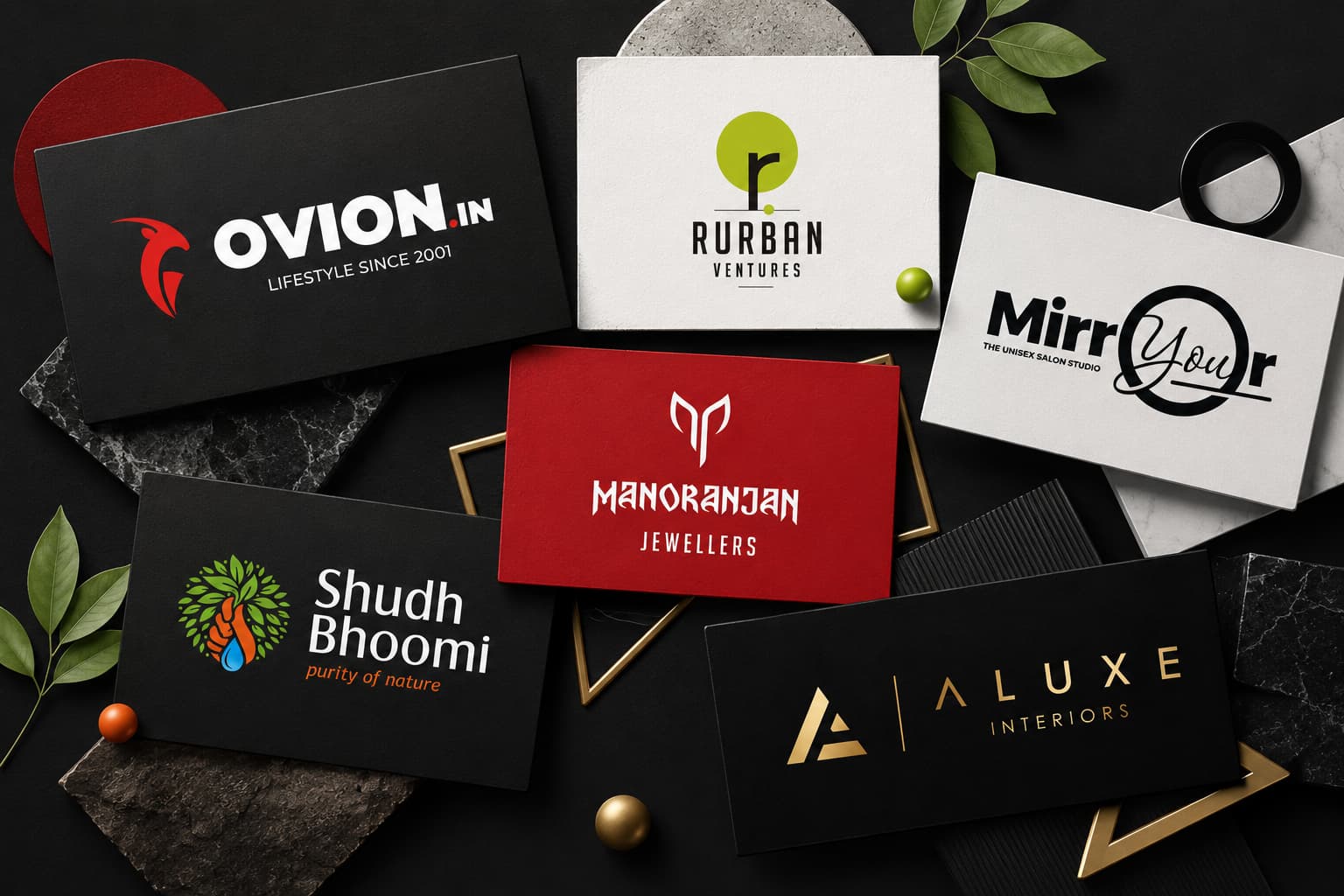
The Power of Logo Design in Digital Marketing
A logo is more than just a visual—it’s the heartbeat of your brand identity. Did you know that 75% of consumers recognize brands by their logos alone? In an era defined by fleeting attention spans, investing in a memorable logo is crucial for making a first—and lasting—impression. For businesses in Bangalore and beyond, a well-designed logo isn’t optional; it’s a critical driver of trust, recognition, and engagement.
At Jootoor Designs, we specialize in transforming insights into impactful visuals. This blog will help you discover the trends, strategies, and expert tips needed to future-proof your brand’s visual identity through the next wave of digital marketing.
The Current State of Logo Design: What the Research Reveals
The logo design landscape is experiencing unprecedented changes, driven by evolving consumer expectations and technological advances. Recent studies reveal fascinating insights about how logos impact business success and consumer behavior.

The statistics paint a clear picture: professional logo design isn’t just about aesthetics—it’s about building trust, driving revenue, and creating lasting connections with your audience. 81% of consumers need to trust a brand before making a purchase, and consistent logo usage can increase revenue by up to 23%.
Perhaps most importantly, 80% of consumers say color influences their perception of a brand, highlighting the critical role of strategic color choices in logo design. This psychological impact extends beyond mere recognition—it shapes how customers feel about your business and whether they choose to engage with your brand.
Unlock your brand’s potential with a professionally crafted logo by Jootoor Designs. Transform your visual identity and stand out in Bangalore’s competitive market. Discover Our Logo Design Services
The Psychology of Color in Logo Design
Understanding color psychology is fundamental to creating logos that resonate with your target audience. Different colors evoke distinct emotional responses and can significantly influence consumer behavior and brand perception.
The emotional impact of colors in logo design cannot be overstated. Blue, for instance, conveys trust and reliability—which explains why it’s the most popular color among Fortune 500 companies. Red triggers feelings of passion and urgency, making it ideal for brands that want to inspire action. Green represents growth and sustainability, perfect for eco-conscious businesses.

Source: https://www.canva.com/logos/color-psychology-the-logo-color-tricks-used-by-top-companies/
Major brands strategically leverage color psychology to communicate their values and connect with consumers. This circular representation of brand colors shows how industry leaders use specific hues to reinforce their brand identity and appeal to their target demographics.
Top Logo Design Trends Dominating 2024-2025
The logo design landscape is evolving rapidly, with several key trends emerging as dominant forces in 2024-2025. These trends reflect broader shifts in consumer preferences, technological capabilities, and business needs.

Source: https://justcreative.com/logo-design-trends-2024/
1. Minimalism with Bold Impact
Minimalist design continues to reign supreme, but with a twist. 89% of professional designers prefer minimalist approaches, but 2024-2025 sees this trend evolving toward “minimalism with bold impact.” This means clean, simple designs that make powerful statements through strategic use of negative space, typography, and color.
2. AI-Generated Design Elements
Artificial intelligence is revolutionizing logo design, with 40% of small businesses now using AI-powered logo tools. This trend isn’t about replacing human creativity but enhancing it, allowing designers to rapidly prototype concepts and explore variations that might not have been considered otherwise.
3. Sustainable and Eco-Conscious Design
Environmental consciousness is driving design choices, with more brands incorporating organic shapes, earthy color palettes, and nature-inspired elements. This trend reflects growing consumer demand for sustainable and responsible business practices.
4. Dynamic and Responsive Logos
With 94% of businesses prioritizing digital-first strategies, logos must now adapt to multiple platforms and contexts. This includes creating responsive variations that work across different screen sizes and interactive elements for digital applications.
5. Bold Typography and Custom Lettering
Typography is taking center stage, with designers creating custom letterforms that serve as both logo and brand statement. This trend emphasizes the power of words and the unique personality that custom typography can convey.
6. Gradient and Dimensional Effects
Moving beyond flat design, 2024-2025 sees a resurgence of gradients and subtle dimensional effects that add depth and visual interest while maintaining modern sensibilities.
The Professional Logo Design Process
Understanding the logo design process is crucial for businesses investing in professional branding. A systematic approach ensures that the final design not only looks great but also serves its strategic purpose.


The design process typically begins with hand sketching and conceptual development, allowing designers to explore multiple directions before moving to digital refinement. This iterative approach ensures that the final logo is both creative and strategically sound.
Professional logo design involves multiple stages of feedback and refinement, ensuring that the final product meets both aesthetic and functional requirements. The process typically includes research, concept development, design execution, testing, and final delivery in multiple formats.
Mobile Optimization: Designing for the Digital Age
In an era where mobile devices account for the majority of web traffic, logo optimization for mobile platforms is essential. Mobile-first design principles now influence logo creation from the initial concept stage.

Mobile optimization requires careful consideration of scalability, readability, and visual impact across different screen sizes. Logos must maintain their integrity and recognition value whether displayed on a smartphone screen or a desktop monitor.
Key considerations for mobile logo optimization include:
- Simplified details that remain visible at small sizes
- High contrast for visibility across different backgrounds
- Flexible layouts that adapt to various aspect ratios
- Touch-friendly sizing for interactive applications
The Rise of AI in Logo Design
Artificial intelligence is transforming the logo design industry, offering new possibilities for creativity and efficiency. While AI tools cannot replace human creativity and strategic thinking, they serve as powerful assistants in the design process.
AI-powered logo design tools offer several advantages:
- Rapid prototyping of multiple concepts
- Automated variations of existing designs
- Style exploration based on industry trends
- Scalability testing across different applications
However, successful AI-assisted logo design still requires human oversight to ensure strategic alignment with brand goals and target audience preferences.
Industry-Specific Considerations
Different industries have unique logo design requirements and conventions. Understanding these nuances is crucial for creating effective brand identities.
Technology and Startups:
- Favor clean, modern aesthetics
- Often use blue and gray color schemes
- Emphasize scalability and digital optimization
Healthcare and Wellness:
- Prioritize trust and reliability
- Commonly use blue and green palettes
- Focus on clarity and professionalism
Retail and E-commerce:
- Need high visibility and memorability
- Often use bold colors and dynamic elements
- Require excellent mobile optimization
Professional Services:
- Emphasize credibility and expertise
- Typically use conservative color palettes
- Focus on timeless design principles
Measuring Logo Effectiveness
Creating a logo is only the beginning—measuring its effectiveness is crucial for ongoing brand success. Key metrics include:
Brand Recognition Metrics:
- Unaided brand recall rates
- Logo recognition speed and accuracy
- Association with brand values and attributes
Business Impact Metrics:
- Revenue correlation with brand consistency
- Customer acquisition and retention rates
- Market share and competitive positioning
Digital Performance Metrics:
- Website engagement and conversion rates
- Social media brand mention and engagement
- Search engine brand recognition
Future-Proofing Your Logo Design
As we look toward the future, several factors will continue to shape logo design trends:
Technological Advancements:
- Virtual and augmented reality applications
- Interactive and animated logo elements
- AI-powered personalization capabilities
Cultural and Social Shifts:
- Increased focus on diversity and inclusion
- Growing emphasis on sustainability
- Evolving consumer expectations for authenticity
Design Evolution:
- Continued refinement of minimalist principles
- Integration of new technologies and materials
- Adaptation to emerging platforms and media
Conclusion: Investing in Professional Logo Design
The research is clear: professional logo design is not a luxury—it’s a necessity for business success in 2024-2025. With 75% of consumers recognizing brands by their logos and 23% revenue increases linked to consistent logo use, the investment in quality design pays dividends.
Key takeaways for businesses considering logo design or redesign:
- Prioritize professional design over DIY solutions
- Consider color psychology in your design choices
- Optimize for mobile and digital applications
- Test your logo with target audiences
- Maintain consistency across all brand touchpoints
The trends outlined in this guide—from AI-assisted design to mobile optimization—represent the future of logo design. By understanding these trends and working with experienced designers, businesses can create logos that not only look great but also drive real business results.
Remember, your logo is often the first impression customers have of your brand. Make it count by investing in professional design that reflects your values, resonates with your audience, and stands the test of time.
Whether you’re launching a new venture or refreshing an existing brand, the principles and trends outlined in this guide will help you create a logo that truly represents your business and connects with your customers in meaningful ways.


The top logo design trends for 2025 include:
- Minimalist designs: Clean, simple logos that are easy to recognize.
- Geometric logos: Logos built using basic shapes for a modern, professional look.
- Bold typography: Strong, legible fonts that make a statement.
- Sustainable logos: Designs that reflect eco-friendly and sustainable practices.
- Dynamic logos: Logos that interact with users and change across digital platforms.
Minimalist logos are impactful because they:
- Offer clarity and simplicity, making the logo easy to recognize and remember.
- Are highly versatile, ensuring consistency across various platforms and media.
- Create a timeless appeal that avoids the risk of becoming outdated quickly.
A sustainable logo is one that:
- Uses eco-friendly colors and design elements (e.g., earthy tones, nature-inspired visuals).
- Reflects a brand’s commitment to environmental responsibility and sustainability.
- Can be easily adapted to future design trends without losing its identity.
Geometric logos are popular because:
- They create a clean and balanced look that conveys professionalism.
- Simple shapes are more scalable and adaptable, especially for digital use.
- They’re memorable and easily recognizable, helping brands stand out in competitive industries.
While gradients and 3D effects were once popular, they are now considered outdated because:
- They don’t scale well on smaller digital screens and can lose clarity.
- Simpler, flat designs are more versatile and modern.
- Brands are moving towards cleaner, more adaptable logos that are suitable for both print and digital media.
To make your logo stand out in 2025:
- Embrace simplicity and clarity with minimalist or geometric designs.
- Experiment with bold typography that reflects your brand’s personality.
- Consider incorporating dynamic elements or interactive features for digital platforms.
- Ensure your logo is scalable and works across various mediums (social media, websites, packaging, etc.).