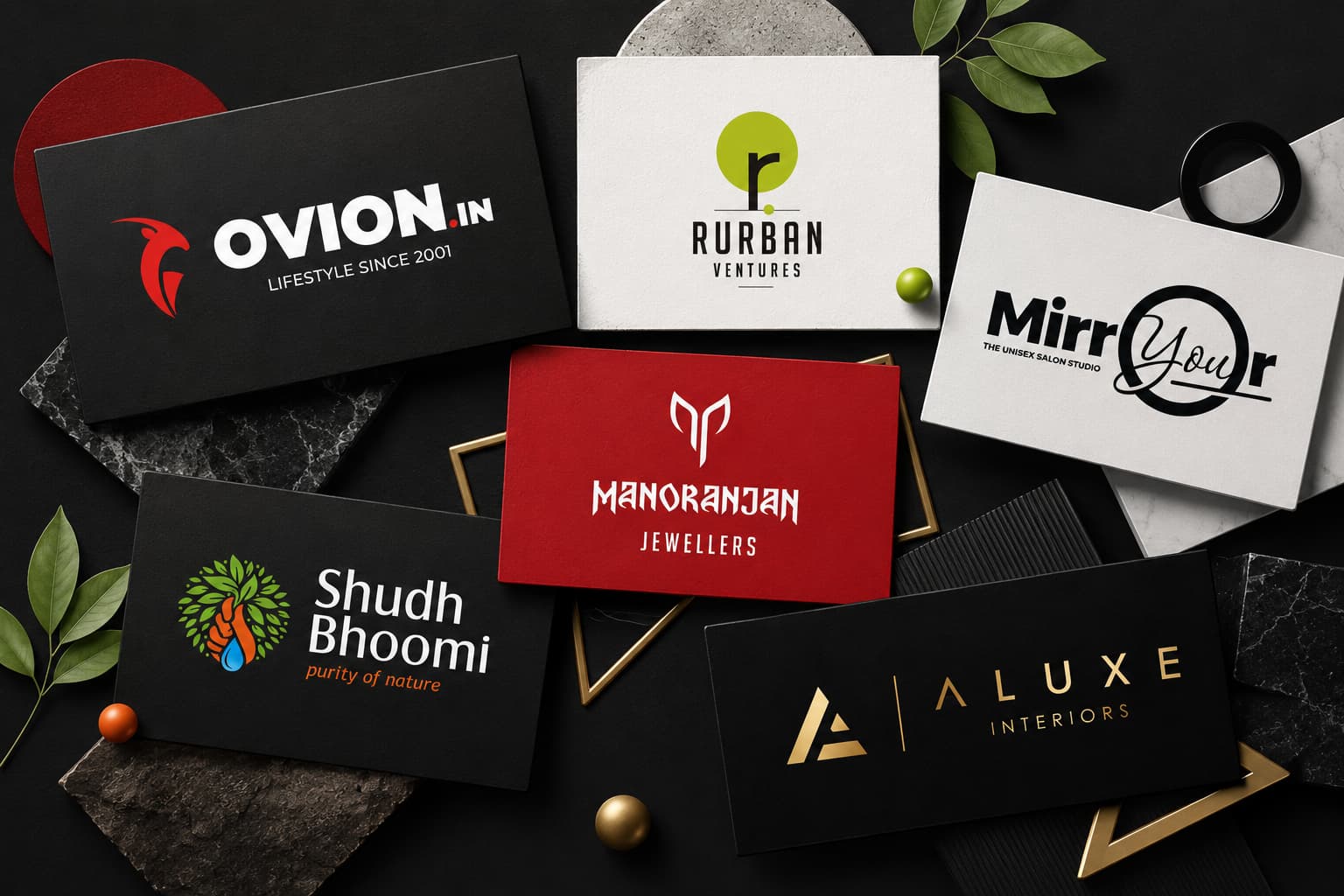
Branding is one of the most powerful tools in a business’s toolkit, but there is often confusion about what branding actually entails. Many small business owners and entrepreneurs make the mistake of thinking that logo design and branding are the same thing. This misunderstanding can lead to missed opportunities and costly mistakes that harm long-term business growth.
In this blog, we’ll break down the key differences between logo design and branding, explain why both are essential for your business, and clarify some common misconceptions that could hurt your brand’s potential.
What is Logo Design?
Defining Logo Design
A logo is a visual mark, symbol, or graphic element that represents your business. It serves as the cornerstone of your brand’s visual identity, making it one of the first things people recognize about your company.
Apple: A sleek, minimal design that represents innovation and simplicity.

Nike: A powerful, instantly recognizable swoosh symbolizing movement and athleticism.

A great logo is not just a pretty picture; it encapsulates the essence of your brand and evokes emotions in your target audience.
The Role of a Logo in Business Identity
Your business logo is a first point of contact between your business and the world. It plays a crucial role in:
- Establishing brand recognition: A good logo gives your business a memorable face.
- Creating emotional impact: A good logo conveys certain emotions, invoking trust, familiarity, and loyalty in your audience.
However, keep in mind that a logo is only a small part of your identity as a business.


What is Branding?
Branding Beyond the Logo
Branding encompasses everything that shapes how your business is perceived by the world. This includes your brand logo, name, slogan, and overall design aesthetic.
- Your mission and values: What you stand for and how you want to make a difference.
- Your voice and tone: How you communicate with your audience.
- Your company culture: The personality and ethos behind your brand.
Unlike a logo, which is a key element within brand logo design, branding is a holistic concept that evolves over time. It’s about telling your story consistently and building a connection with your audience across all touchpoints, from your website to customer service.
The Emotional and Psychological Impact of Branding
A strong brand does more than just look good; it creates a deep emotional connection with consumers. When done correctly, branding can:
- Build trust with your audience.
- Foster customer loyalty and retention.
- Influence buying decisions, even in competitive markets.
Common Misconceptions About Logo Design and Branding
A Logo is All You Need for Branding
This is a misleading and short-sighted view. While your logo is an essential part of your brand identity, it doesn’t define everything about your business. A logo without a clear brand strategy can lead to weak brand recognition and disjointed customer experiences.
Branding is Just About Colors and Fonts
Branding goes far beyond colors and fonts. It’s about the whole customer experience, including:
- Your brand’s messaging: What do you want your customers to feel and know about you?
- Your values and how they are communicated.
- The customer journey: From the first website visit to post-purchase support.
Once You Have a Logo, Branding is Finished
Branding is an ongoing process that evolves with your business. Successful companies like Apple and Nike constantly refresh and adapt their brand strategies to stay relevant.
How Logo Design and Branding Work Together
Logo as a Part of the Brand Identity
Your logo is a crucial visual element that helps reinforce your overall brand identity. It should support and complement your brand messaging. When your logo aligns with your values, voice, and culture, it creates a cohesive and memorable brand experience.
- Consistency across all touchpoints is essential. Your logo should work seamlessly across your website, social media, packaging, and advertisements.
Visual Identity vs. Brand Identity
While visual identity (logo, colors, typography) is a key part of your brand identity, it’s just one layer. The full brand identity includes:
- Your story and the values behind your products or services.
- The customer experience across all platforms.
A logo helps establish recognition, but it’s the other elements of your branding that solidify the relationship with your audience.
The Risks of Confusing Logo Design with Branding
Missed Opportunities for Stronger Brand Differentiation
Focusing only on your logo means missing out on the chance to create a truly distinctive brand. Without a comprehensive brand strategy, you risk blending in with competitors and failing to carve out a unique space in the market.
Inconsistent Brand Messaging and Customer Confusion
Confusing your logo with your branding can lead to inconsistent messaging, which ultimately confuses customers. A brand strategy that includes a clear message and consistent visuals ensures your audience knows what to expect and what your business stands for.
Damaging Brand Perception in the Long-Term
Over time, neglecting the broader scope of branding can harm your reputation. Brands that fail to evolve or align their logo with their messaging risk losing customer trust and loyalty.
How to Build a Strong, Cohesive Brand Strategy
Steps for Developing Your Brand Strategy
Building a successful brand requires a well-thought-out strategy. Here are key components to include:
- Mission, vision, and values: Define what your business stands for.
- Target audience: Understand who you’re speaking to.
- Brand story: What makes your business unique and worth following?
The Role of Professional Branding Experts
At Jootoor Designs, we specialize in creating logos that align with your overall brand identity. We help small businesses and startups in Bangalore build cohesive brand strategies that encompass everything from your logo to your customer experience.
Brand Guidelines: Keeping Your Brand Consistent
Once your brand strategy is in place, ensure consistency by creating brand guidelines. These should include:
- Logo usage: When and how your logo should be displayed.
- Typography: Fonts and text styles to be used.
- Color palette: Ensuring your brand colors remain consistent.
Conclusion
The Bottom Line: Logo Design Is Only One Part of the Puzzle
While a well-designed logo is a key starting point, branding is a holistic strategy that requires careful planning and execution. A strong brand goes beyond the logo and influences every interaction with your customers.
Take Action: Focus on Both Logo and Branding for Long-Term Success
To truly stand out in the marketplace, invest in both effective logo design and a comprehensive branding strategy. At Jootoor Designs, we’re here to help you build a brand that not only looks great but also connects with your audience on a deeper level.
Ready to create a powerful brand?
Contact Jootoor Designs today for expert logo design and branding strategies that will take your business to the next level!
FAQs
A logo design is a graphical element or symbol representing your business visually; branding, on the other hand, is a strategic approach encompassing everything from your mission, values, and messaging to your customer experience and visual identity. The logo is an essential part of branding but branding is much more than the logo.
Yes, your logo is a very small aspect of your branding strategy in a larger sense. While there are many components to branding, including your tone of voice, messaging and customer experience, it’s your logo that acts as your brand’s visual mark. It’s what people will first identify and remember about your business.
Branding is Important because it establishes your business’s identity, builds emotional connections with your audience, and sets you apart from the competition. A strong brand creates trust and loyalty, which can result in improved customer retention and greater sales over the long term.