

The digital content landscape has been revolutionized by AI voice technology, offering creators unprecedented power to generate realistic speech, clone voices, and produce professional-quality audio without traditional recording setups. Whether you’re a content creator looking to scale your video production, a business seeking cost-effective training materials, or an individual exploring the fascinating world of AI-generated voices, these tools are reshaping how we think about audio content creation.
The promise is compelling: transform any text into lifelike speech, clone your own voice for consistent branding, or access hundreds of diverse voices across multiple languages. But with so many options flooding the market, which tools actually deliver on their promises? After extensive research and testing, here’s your definitive guide to the top AI voice platforms that are making waves in 2025.
AI Voice Tools 2025
Quick Comparison Guide – Ratings & Best Use Cases
| 🔧 Tool Name | ⭐ Rating | 🎯 Best For |
|---|---|---|
| 👑MiniMax | Content creators prioritizing voice quality above all else, especially those working with long-form content like audiobooks or extensive training materials | |
| Descript | Podcasters, YouTubers, and content creators who need comprehensive editing capabilities beyond just voice generation | |
| Colossyan | Corporate training departments, educational institutions, and businesses creating multilingual content at scale | |
| PlayHT | Enterprises, app developers, and professional content creators who need reliable, scalable voice generation with API access | |
| Voice AI | Developers, tech companies, and businesses building voice-enabled applications and services | |
| Supertone Play | Content creators who prioritize speed and volume over perfect voice matching, especially for social media and rapid content production | |
| VEED | Video creators who want voice generation integrated into their existing editing workflow without switching platforms | |
| Mango AI | Individual creators and small businesses taking their first steps into AI voice technology | |
| Uberduck | Musicians, content creators focusing on entertainment, and users exploring creative applications of AI voice technology | |
| Vocloner | Individual users, seniors, and anyone who wants simple voice cloning without technical complexity |
Best AI Voice Tools
1. Colossyan
The Corporate Training Powerhouse
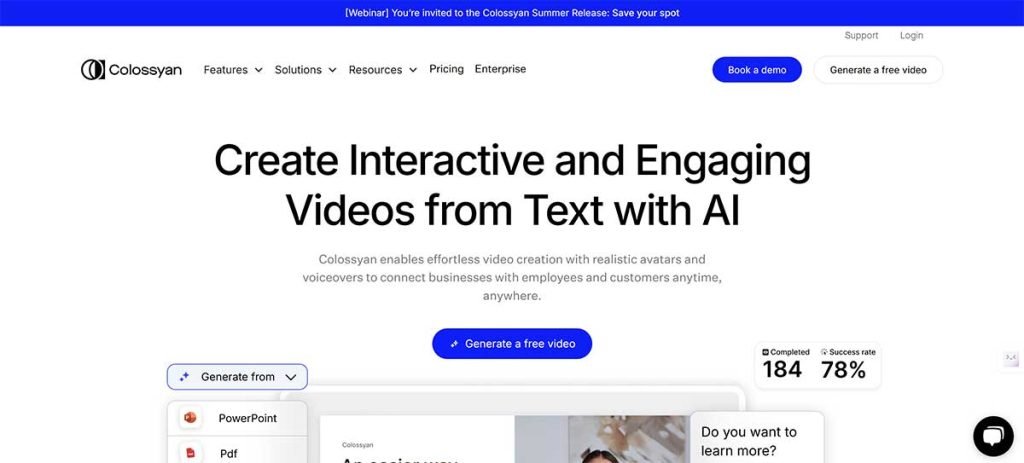
Colossyan is an AI-driven video platform tailored for workplace learning and corporate training. Founded in 2020, it empowers organizations to transform scripts, documents, PPTs, and PDFs into polished videos featuring realistic AI avatars and voiceovers—no filming required. The platform combines voice generation with AI avatars to create comprehensive video content solutions for businesses.
What sets it apart: Colossyan provides a wide selection of over 200 diverse avatars, complete with lip sync, voice modulation, and multi-language translation. It also supports instant avatars from phone footage and voice cloning in 30+ languages.
Pros
- Seamless integration of voice and visual avatars for complete video solutions
- Extensive language support (30+ languages) perfect for global organizations
- Professional-grade output suitable for corporate training and presentations
- Easy conversion of existing documents into engaging video content
Cons:
- Higher price point compared to voice-only solutions
- Learning curve for users new to avatar-based content creation
- Limited creative control over avatar expressions and gestures
- Requires stable internet connection for optimal performance
★ ★ ★ ★ ★ Rating: 8.5/10
🎯 Best for: Corporate training departments, educational institutions, and businesses creating multilingual content at scale.
🚀 Tangible Benefits: Replace expensive video production teams with AI-powered solutions, reduce training content creation time by 80%, and maintain consistent brand messaging across global markets without hiring multiple voice actors.
2. Descript
The Content Creator’s Swiss Army Knife
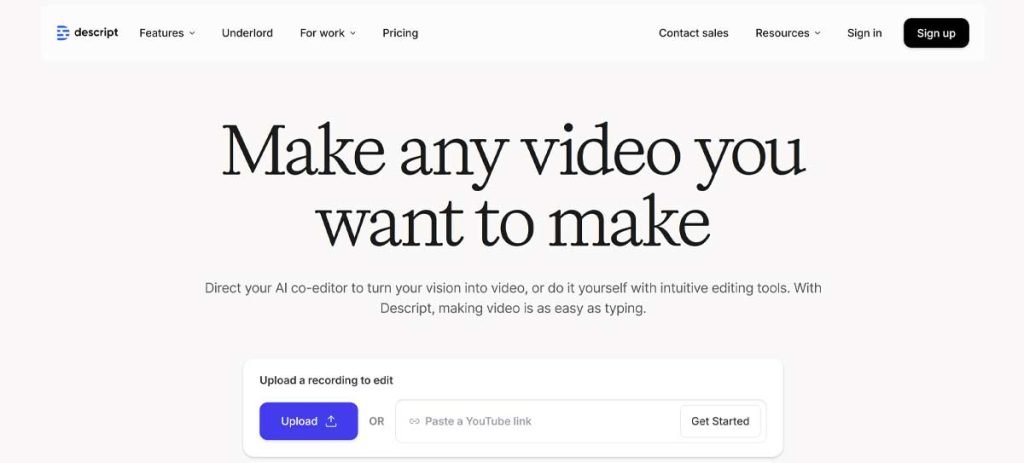
Descript is a powerful AI video and audio editing tool designed to simplify content creation. Its standout feature is its text-based editing interface, which allows users to edit video and audio by editing the transcript, making complex edits as simple as editing a document.
What sets it apart: Revolutionary text-based editing that treats audio like a document you can cut, copy, and paste.
Pros:
- Intuitive transcript-based editing eliminates need for traditional timeline editing
- Built-in voice cloning with “Overdub” feature for seamless corrections
- Comprehensive suite including screen recording, transcription, and publishing tools
- Strong collaboration features for team-based content creation
Cons:
- Voice cloning quality can be inconsistent with shorter audio samples
- Subscription pricing may be steep for casual users
- Resource-intensive software requiring powerful computers for smooth operation
- Limited free tier restricts access to advanced features
★ ★ ★ ★ ★ Rating: 9/10
🎯 Best for: Podcasters, YouTubers, and content creators who need comprehensive editing capabilities beyond just voice generation.
🚀 Tangible Benefits: Cut editing time by 75% through text-based editing, eliminate retakes by using Overdub for minor corrections, and streamline your entire content workflow from recording to publishing in one platform.
3. Mango AI
The Rising Contender
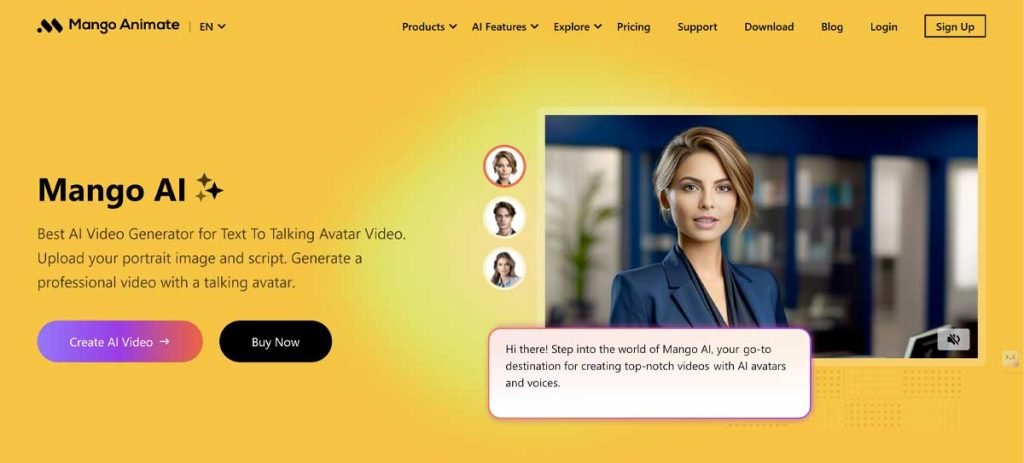
Mango AI has emerged as a competitive player in the AI voice cloning space, offering accessible tools for creators looking to experiment with voice generation technology.
What sets it apart: User-friendly interface designed for newcomers to AI voice technology.
Pros:
- Straightforward setup process ideal for beginners
- Competitive pricing structure for individual creators
- Decent voice quality for basic content creation needs
- Regular updates and feature improvements
Cons:
- Limited voice customization options compared to premium competitors
- Smaller library of pre-built voices
- Voice quality may not match industry leaders for professional use
- Customer support response times can be slow
★ ★ ★ ★ ★ Rating: 7/10
🎯 Best for: Individual creators and small businesses taking their first steps into AI voice technology.
🚀 Tangible Benefits: Get started with AI voice generation without technical expertise, create consistent voiceovers for social media content, and experiment with voice cloning at an affordable price point.
4. MiniMax
The Quality Champion
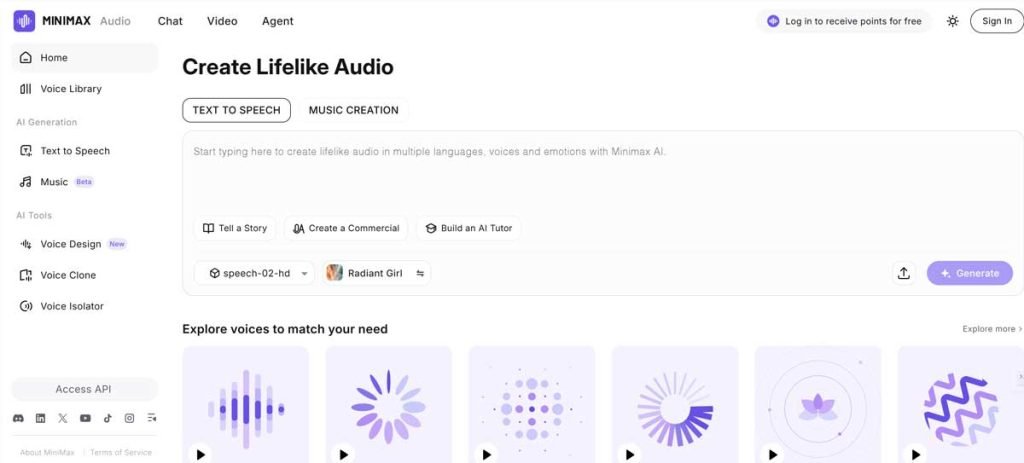
MiniMax sits alone in this tier with a rating of 9/10. It’s easily the best, most Daniel-sounding clip of the test. Combined with its generous free plan, MiniMax is an easy recommendation. Experience MiniMax Audio, your AI Audio Generator. Instantly convert text into lifelike speech with 300+ voices across 32 languages, and generate original, high-quality music.
What sets it apart: MiniMax Audio just leveled up with the new Speech-02 model! Get ultra-realistic Al voices (30+ langs, 99% similarity). Read Files/URLs & handle long text (200k chars).
Pros:
- Industry-leading voice quality with 99% similarity to original voices
- Generous free tier allowing extensive testing before commitment
- Massive text capacity (200k characters) for long-form content
- Supports file and URL reading for convenient batch processing
Cons:
- Newer platform with smaller user community and fewer tutorials
- Limited integration options with third-party tools
- API documentation could be more comprehensive
- Some advanced features still in development
★ ★ ★ ★ ★ Rating: 9.5/10
🎯 Best for: Content creators prioritizing voice quality above all else, especially those working with long-form content like audiobooks or extensive training materials.
🚀 Tangible Benefits: Achieve broadcast-quality voice generation that’s indistinguishable from human speech, process entire documents or web pages automatically, and access premium features through a genuinely useful free tier.
5. PlayHT
The Professional’s Choice
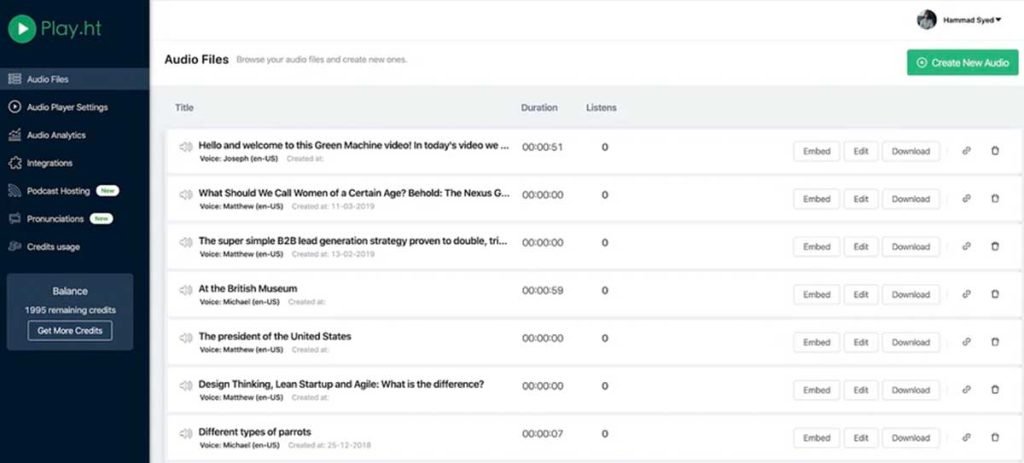
The Best AI Voice Generator with 200+ realistic AI voices. PlayAI is the voice platform for creators & enterprises. PlayHT has established itself as a go-to solution for professionals requiring consistent, high-quality voice generation.
What sets it apart: Robust API infrastructure designed for enterprise-level deployment and integration.
Pros:
- Extensive library of 200+ professionally trained voices
- Low-latency API perfect for real-time applications
- Enterprise-grade reliability and customer support
- Advanced voice customization and fine-tuning options
Cons:
- Higher pricing tiers may be prohibitive for small creators
- Complex feature set can overwhelm new users
- Limited free usage compared to some competitors
- Voice cloning requires significant audio samples for best results
★ ★ ★ ★ ★ Rating: 8.5/10
🎯 Best for: Enterprises, app developers, and professional content creators who need reliable, scalable voice generation with API access.
🚀 Tangible Benefits: Build voice features directly into your applications, ensure consistent audio quality across large content libraries, and scale voice generation without quality degradation or service interruptions.
6. Supertone Play
The Speed Demon
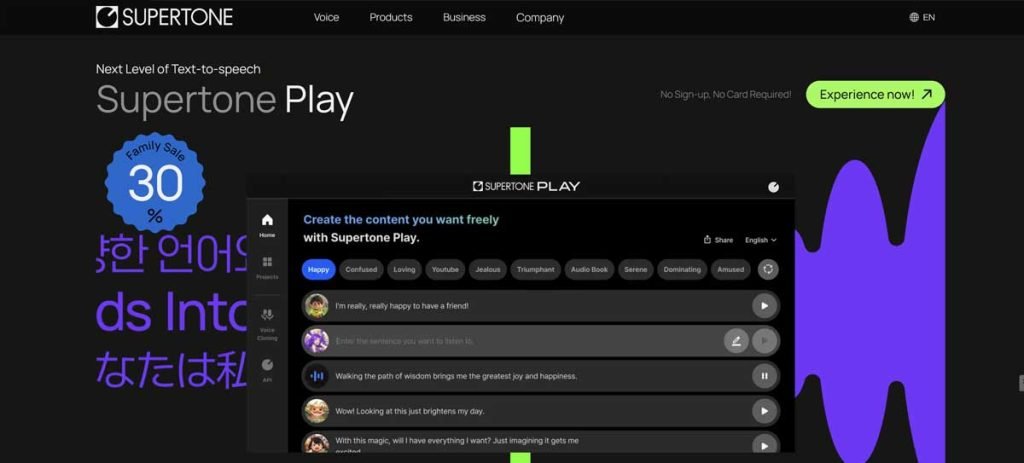
Get 2 weeks of free trial, then standard fees apply. • Unlimited voice cloning • Unlimited usage • Full access to over 150 premium voices Supertone Play positions itself as the fastest solution for immediate voice cloning needs.
What sets it apart: 10-second voice cloning promise with unlimited usage options.
Pros:
- Exceptionally fast voice cloning process
- Unlimited usage plans for heavy users
- 150+ premium voices in the standard library
- Generous trial period for thorough testing
Cons:
- Quality may suffer due to speed optimization
- Limited customization options for generated voices
- Newer platform with fewer user reviews and case studies
- Pricing jumps significantly after trial period
★ ★ ★ ★ ★ Rating: 7.5/10
🎯 Best for: Content creators who prioritize speed and volume over perfect voice matching, especially for social media and rapid content production.
🚀 Tangible Benefits: Create voice content in minutes rather than hours, eliminate recording sessions entirely for routine content, and maintain consistent output speed regardless of content volume.
7. Uberduck
The Entertainment Specialist
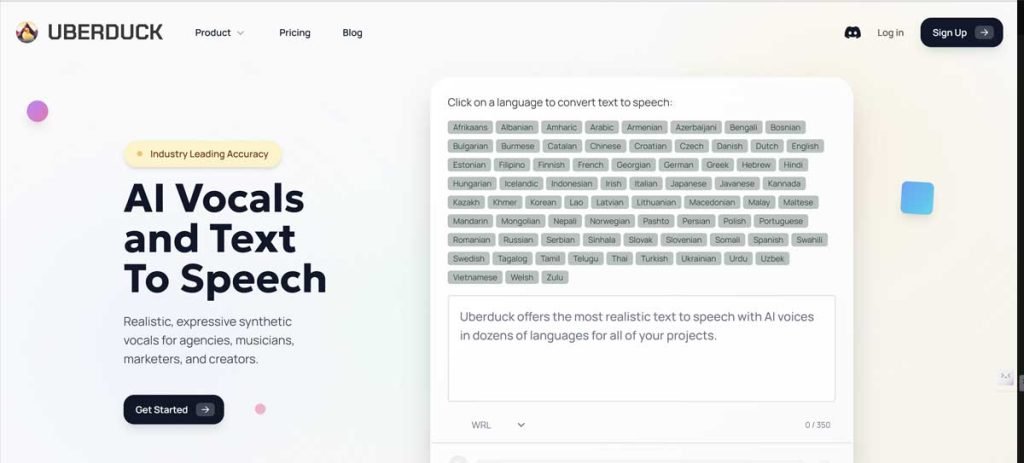
Make Music, Voiceovers and Videos With AI Vocals, Text to Speech, Voice Conversion and Voice Cloning Uberduck has carved out a unique niche by focusing on entertainment and creative applications of AI voice technology.
What sets it apart: Strong focus on music production and entertainment applications with celebrity voice options.
Pros:
- Unique celebrity and character voice options for creative projects
- Strong music integration capabilities for AI vocals in songs
- Active community sharing creations and techniques
- Playful, experimental approach encouraging creativity
Cons:
- Voice quality inconsistent across different voice models
- Limited professional business applications
- Potential copyright concerns with celebrity voice usage
- Interface can feel cluttered and unfocused
★ ★ ★ ★ ★ Rating: 7/10
🎯 Best for: Musicians, content creators focusing on entertainment, and users exploring creative applications of AI voice technology.
🚀 Tangible Benefits: Create viral content using recognizable voices, add AI vocals to music productions without hiring singers, and experiment with voice technology in ways traditional tools don’t allow.
8. VEED
The All-in-One Video Platform
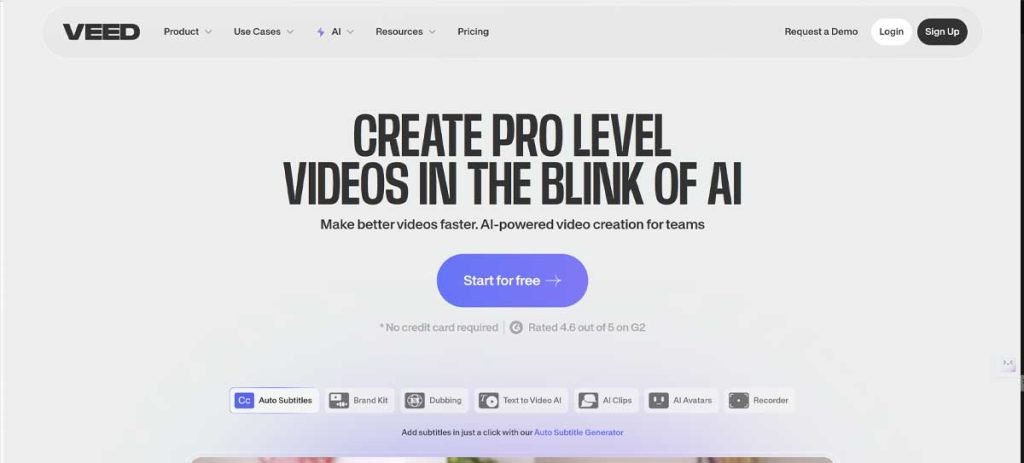
VEED has expanded beyond video editing to include AI voice generation as part of its comprehensive content creation suite, targeting creators who want everything in one platform.
What sets it apart: Complete video production ecosystem with AI voice as one integrated component.
Pros:
- Seamless integration with video editing and other content tools
- Browser-based platform requiring no software downloads
- Collaborative features for team-based content creation
- Regular feature updates and improvements
Cons:
- Voice generation features less advanced than specialized competitors
- Subscription required for most useful features
- Can feel overwhelming with too many features in one interface
- Voice quality adequate but not industry-leading
★ ★ ★ ★ ★ Rating: 7.5/10
🎯 Best for: Video creators who want voice generation integrated into their existing editing workflow without switching platforms.
🚀 Tangible Benefits: Manage entire video production from script to publication in one platform, reduce tool-switching friction in content creation workflows, and maintain consistent branding across all content elements.
9. Vocloner
The Accessibility Champion
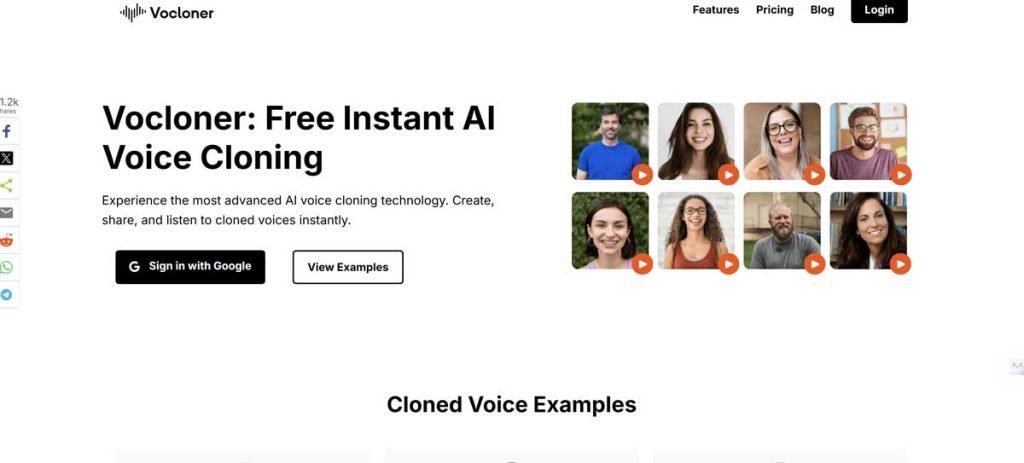
Vocloner focuses on making AI voice cloning accessible to users who may be intimidated by more complex platforms, emphasizing simplicity and ease of use.
What sets it apart: Simplified interface designed specifically for non-technical users.
Pros:
- Extremely user-friendly interface requiring minimal learning curve
- Affordable pricing structure for individual users
- Quick setup and immediate results
- Good customer support for troubleshooting
Cons:
- Limited advanced features compared to professional tools
- Smaller voice library and customization options
- Voice quality suitable for basic applications but not premium content
- Fewer integration options with other tools and platforms
★ ★ ★ ★ ★ Rating: 6.5/10
🎯 Best for: Individual users, seniors, and anyone who wants simple voice cloning without technical complexity.
🚀 Tangible Benefits: Start creating AI voices within minutes of signing up, avoid technical learning curves that delay content creation, and access voice cloning technology at consumer-friendly prices.
10. Voice AI
The Developer’s Platform
★ ★ ★ ★ ★ Rating: 8/10
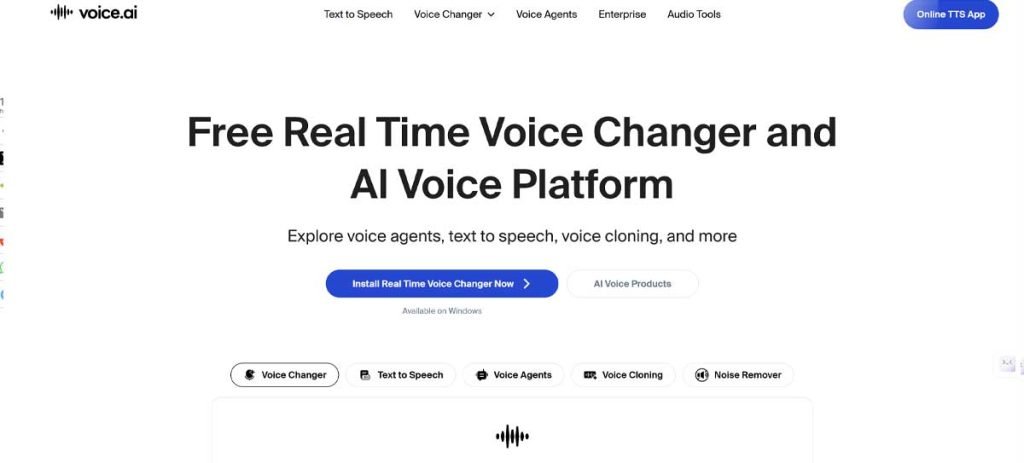
Voice AI positions itself as the technical solution for developers and businesses who want to build voice AI capabilities into their own applications and services.
What sets it apart: Seamless, natural conversations with voice AI. Explore advanced TTS models and intelligent agents built for real-time voice automation.
Pros:
- Robust API designed for real-time voice applications
- Advanced TTS models optimized for conversational AI
- Excellent documentation and developer resources
- Scalable infrastructure for enterprise deployment
Cons:
- Requires technical expertise to implement effectively
- Not suitable for non-technical users seeking simple solutions
- Higher complexity in setup and configuration
- Pricing structure favors high-volume usage
🎯 Best for: Developers, tech companies, and businesses building voice-enabled applications and services.
🚀 Tangible Benefits: Build voice AI directly into your products, create conversational experiences that feel natural and responsive, and scale voice interactions without infrastructure concerns.
Making the Right Choice: Your Decision Framework
Choosing the perfect AI voice tool depends on your specific needs, technical expertise, and budget constraints. Here’s how to navigate your decision:
For Corporate Training and Education: Colossyan’s avatar integration and professional output make it the clear winner for business applications requiring polished, branded content.
For Content Creators and Podcasters: Descript’s comprehensive editing suite combined with voice generation creates an unmatched workflow for regular content production.
For Quality-Focused Projects: MiniMax delivers the most realistic voice cloning available, making it essential for projects where authenticity cannot be compromised.
For Enterprise Integration: PlayHT and Voice AI offer the robust API infrastructure needed for building voice capabilities into existing business systems.
For Creative and Entertainment Projects: Uberduck’s unique voice options and music integration capabilities make it the go-to choice for experimental and entertainment content.
The Future of AI Voice Technology
The AI voice landscape continues evolving rapidly, with improvements in naturalness, emotional expression, and multilingual capabilities appearing regularly. While current tools already deliver impressive results, we’re approaching a future where AI-generated voices will be completely indistinguishable from human speech across all contexts.
The key to success lies not just in choosing the right tool, but in understanding how AI voice technology fits into your broader content strategy. Whether you’re scaling a business, expressing creativity, or solving technical challenges, these platforms offer the power to transform how you communicate with your audience.
The revolution in AI voice technology isn’t coming—it’s here. The question isn’t whether you should explore these tools, but which one will unlock your content’s full potential.